Compare
Kiyosumi stable or Ryogoku dinner?
How a sumo show in a former stable in Kiyosumi compares with a sumo dinner in Ryogoku: setting, meal, terms and who each one suits.
Book the stable show ↗Quick answer
Choose the Kiyosumi show if the setting matters most: a former sumo stable, retired wrestlers and an English-speaking MC. Choose the Ryogoku dinner if you want chanko and mochi built into the evening and want to stay in sumo's home district. Both list free cancellation on GetYourGuide, and the window is shown on each page. Neither is a tournament, so ranked bouts remain a separate booking.
The two bookings side by side
| Point | Kiyosumi show | Ryogoku dinner |
|---|---|---|
| Ward | Koto | Sumida |
| Setting | Former sumo stable | Venue in Ryogoku |
| Hot pot | VIP option, some shows | Chanko in the title |
| Rating | 4.8, 3,700+ reviews | 4.8, 700+ reviews |
| Cancellation | Free, 24 hours | Free, see page |
The short answer
Pick by what you want from the evening. The Kiyosumi show is about the building: a former sumo stable, retired wrestlers, an English-speaking MC and a chance to step onto the ring. The Ryogoku booking, which is called a sumo wrestling session with chanko nabe and mochi, is built around the meal and sits in the district where professional sumo is based. Both list free cancellation on the GetYourGuide booking. Neither is a tournament. This guide sets them side by side so you can book one on purpose.
Two wards, two settings
Kiyosumi is a district of Koto ward, and Ryogoku is a district of Sumida ward, so the two bookings are in different parts of eastern Tokyo. Wikipedia describes Ryogoku as the heartland of professional sumo, where most training stables are based, and the organiser of the Kiyosumi show puts its venue minutes from the Ryogoku area. Ryogoku suits a visitor who wants to see the sumo district itself, with its arena and its stables, while Kiyosumi suits one who is happy to go a little further for the building. Neither is hard to reach by subway, but check your own route, since the lines differ.
The meal
The meals differ in how they are sold. At the Kiyosumi venue an all-you-can-eat chicken chanko hot pot and bottled water come with the VIP option and only at certain shows, so the calendar decides. The Ryogoku booking carries chanko nabe and mochi in its title, which points to the meal being part of the evening. Open that booking page to check exactly what the meal includes. If a guaranteed meal matters to you, that is a point in favour of Ryogoku.
The show and the setting
At Kiyosumi the organiser says retired professional wrestlers clash metres away, with demonstrations and explanations in English, and that guests may step onto the ring, try training moves and challenge a match. The setting is the main reason to choose it, because the organiser describes it as the only sumo show in Japan held inside an actual former stable. The Ryogoku booking describes a sumo wrestling session. It is worth reading the description of what you do and what you only watch, since the two evenings are not the same kind of event. Neither page promises a particular performer or running order, so book for the format and the place, not for a name.
Length, reviews and terms
The Kiyosumi show runs about ninety minutes and is rated 4.8 from more than 3,700 reviews. The Ryogoku booking is listed at about two hours and also scores 4.8, from more than 700 reviews. The larger review count makes the Kiyosumi score steadier, though both are strong. The Kiyosumi booking allows free cancellation until 24 hours before, while the Ryogoku page shows its own window. This guide leaves prices out because they change, so open each calendar for the figure in your currency and the options that apply. A rating alone does not say which evening suits you, so read the reviews for the point you care about, whether the meal, the room or the wrestlers.
Ryogoku as a district
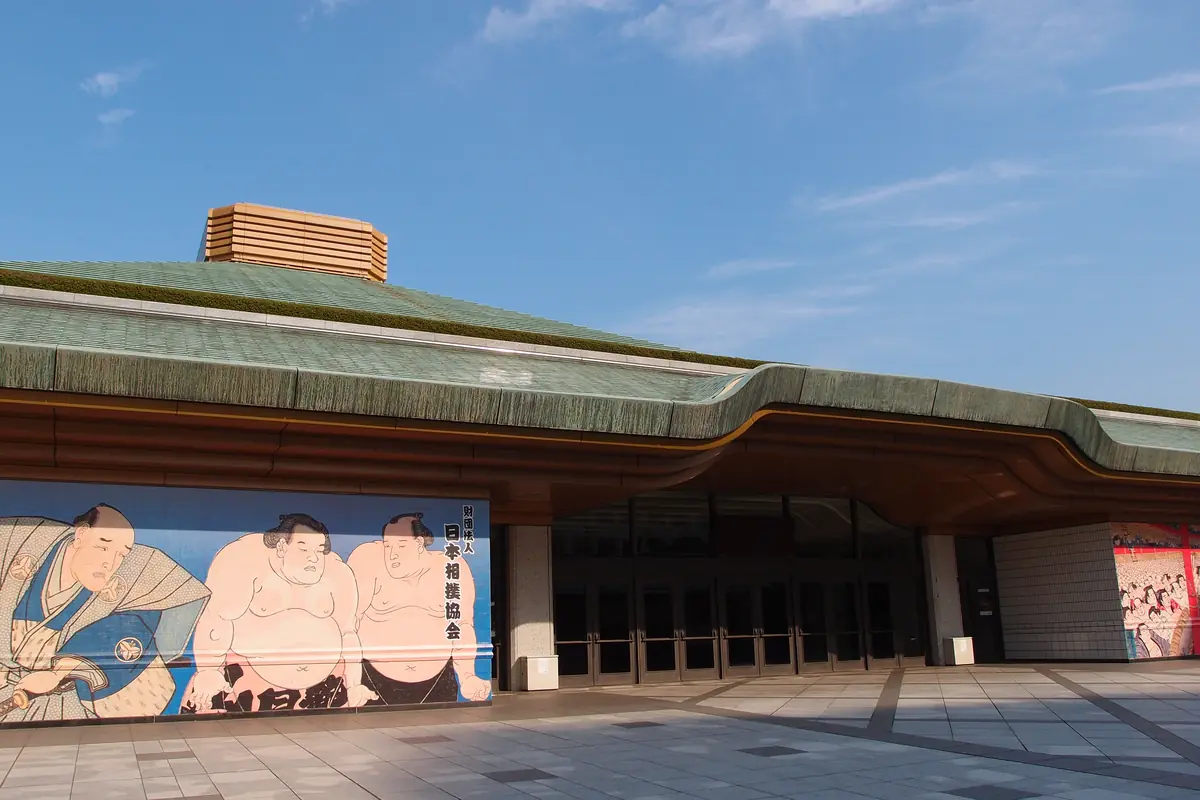
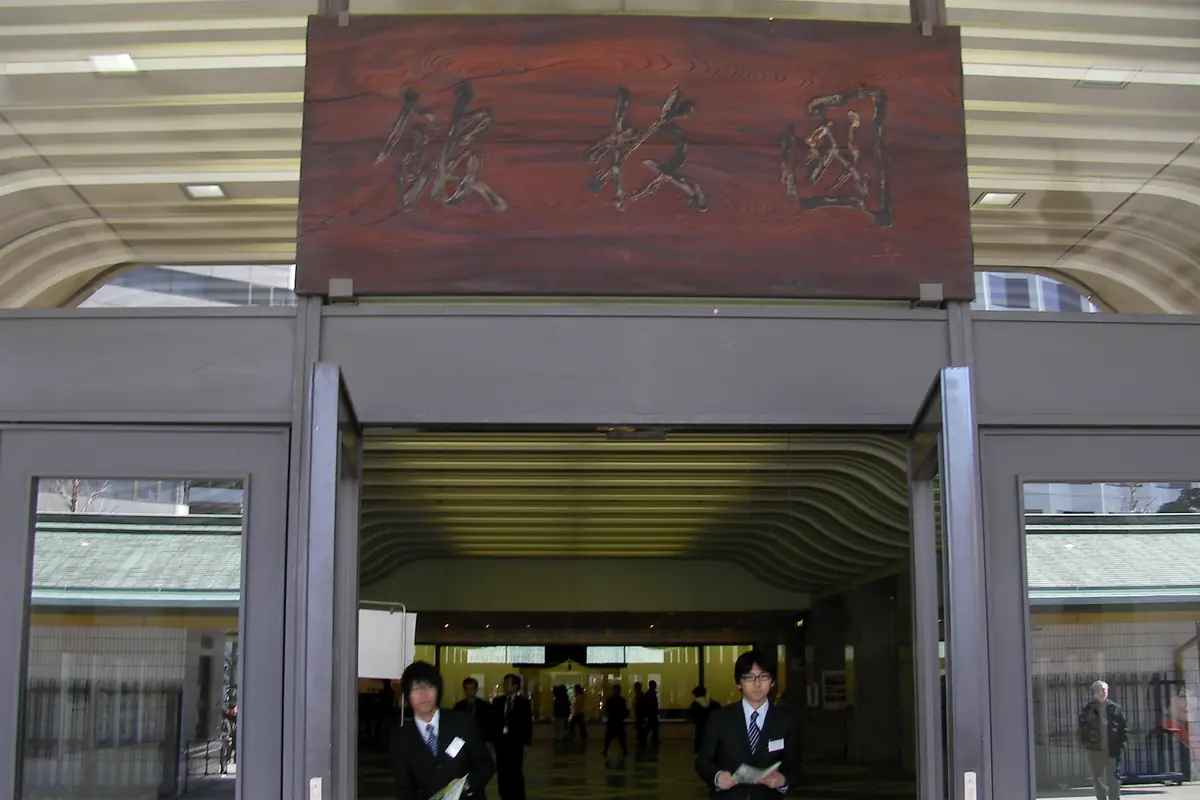
Ryogoku grew into a sumo district because of its history: Wikipedia says kanjin sumo, tournaments that raised money for temple building, were held at the Eko-in temple there. The current Kokugikan, opened in 1985 in the Yokoami neighbourhood next to the Edo-Tokyo Museum, stages the tournaments of January, May and September. The Japan Sumo Association also runs a sumo museum on the first floor of the arena. If you book the Ryogoku dinner, you are already in the district where sumo is staged.
Read next: Getting to the Kiyosumi sumo house
What else Ryogoku adds
A Ryogoku dinner comes with a district around it. Wikipedia says the Ryogoku Bridge was built in 1659, and that the district's name, meaning two provinces, comes from the bridge joining Edo with Shimosa Province. The Edo-Tokyo Museum is in Ryogoku, and a preserved part of the mansion linked with the story of the forty-seven ronin sits in a public park there. Add the arena and the sumo museum, and the district gives an afternoon of its own, which Kiyosumi cannot offer in the same way.
Which suits you
The Kiyosumi show suits visitors who like places with a story, who want to try a training move, and who would rather the meal were optional. The Ryogoku dinner suits visitors who want the meal in the evening, who want to be in the arena district afterwards, and who like a two-hour format. Neither suits a visitor who wants a ranked bout, because both are arranged for visitors, not staged as tournaments. If you cannot decide, read the booking descriptions side by side, since the details change with the date. If you travel with someone who needs step-free access, check each page, because the Kiyosumi page says its show is wheelchair accessible and the Ryogoku page may say something different.
Both, or one?
You can book both on different evenings, but the bookings repeat a good deal. Both are sumo with a meal in some form, both explain the sport in English and both let visitors meet wrestlers. If you have one evening, choose one. If you have two and want variety, pair the Kiyosumi show with the guided sumo-watching tour with a former journalist, which is listed on this page and covers real sumo rather than a show. The practice guide on this site explains the difference.
Read next: Morning practice or a sumo show?
Who this isn't for
Neither booking is for a visitor who wants tournament sumo. The Japan Sumo Association lists January, May and September as the Tokyo tournaments, and tickets for them are sold through the association's own channels. Neither is for someone who wants to watch active wrestlers train, either. If your time is short and you only want to see the sumo district, Ryogoku itself is a place to walk through, with the arena and the museum, without any booking at all.
How to book either one
Open both calendars before you decide, and compare the options for the same date. On the Kiyosumi page, check which dates carry the VIP option with the hot pot. On the Ryogoku page, read what the meal and the mochi session include. Check the meeting point on your confirmation, because transport is not included at Kiyosumi. Both list free cancellation on GetYourGuide, so a wrong choice is cheap to fix, provided you change it inside the window each page shows. Keep the two confirmations apart if you book both, because the meeting points are in different wards. Then arrive at the right ward.
Frequently asked questions
Kiyosumi or Ryogoku, which is better?
Neither is better outright. Kiyosumi offers a show in a former sumo stable, with the hot pot only in the VIP option at certain shows. Ryogoku offers a dinner built around chanko and mochi, in the sumo district.
Are Kiyosumi and Ryogoku in the same ward?
No. Kiyosumi is a district of Koto ward and Ryogoku is a district of Sumida ward. The organiser puts the Kiyosumi venue minutes from the Ryogoku area.
Which one includes chanko?
The Ryogoku booking carries chanko nabe in its title. At Kiyosumi the hot pot comes with the VIP option, at certain shows only. Open each booking page to check the meal for your date.
Can I cancel either booking?
Both list free cancellation on GetYourGuide. The Kiyosumi booking states up to 24 hours before, and the Ryogoku page shows its own window. Check the terms when you book.
Is either a real tournament?
No. Both are arranged for visitors. The Japan Sumo Association lists January, May and September as the Tokyo tournaments, which are booked through the association.
Sources