Start here
Tokyo sumo dinner show: worth it?
What a sumo stable is, what the show inside a former stable includes, which option comes with the hot pot, and who the evening suits.
Book the stable show ↗Quick answer
A sumo stable, or heya, is the house where professional wrestlers live, eat and train. This show runs inside a former stable, with retired wrestlers, an English-speaking MC and a chance to step onto the ring. It is worth it if you want sumo up close and can accept a staged show, not a tournament. The hot-pot meal comes only with the VIP option at certain shows, so choose that option on purpose.
The short answer
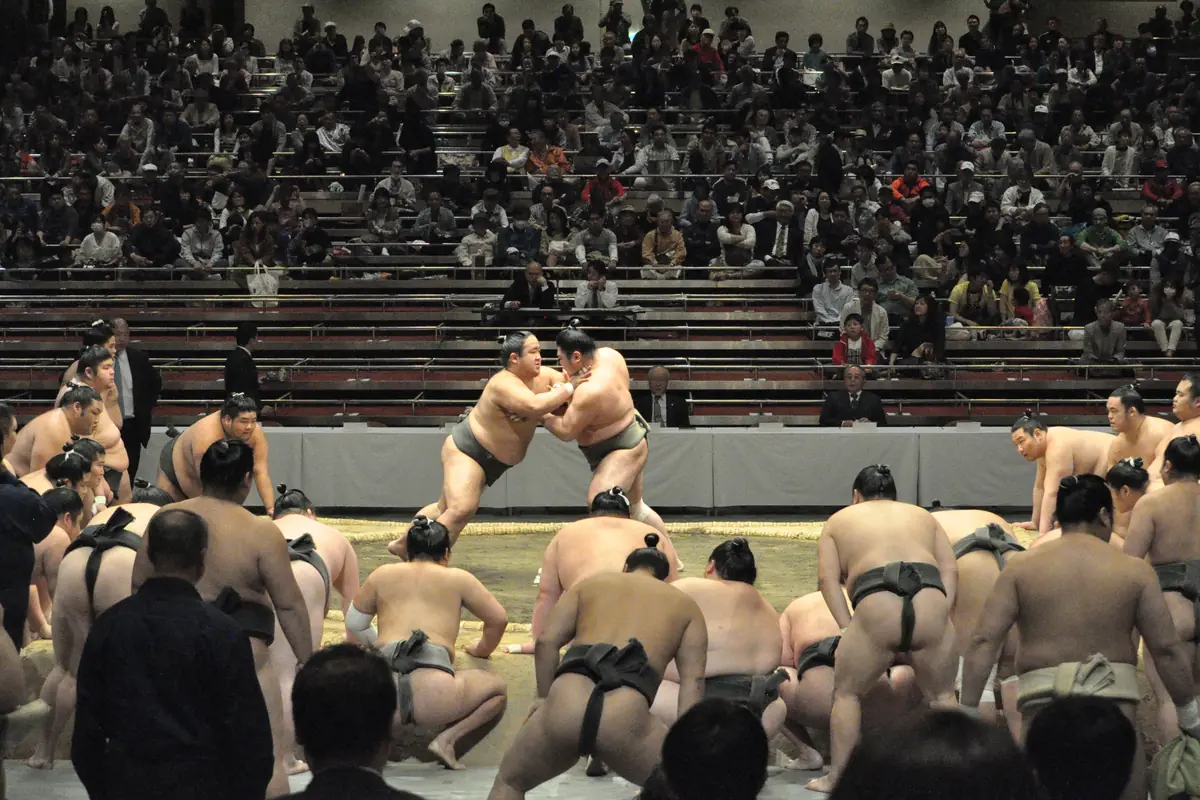
Yes for visitors who want sumo close up and can accept a staged show rather than a tournament. A stable, or heya, is the house where professional wrestlers live and train, and the organiser says this show is held inside one that no longer works as a stable. Retired wrestlers demonstrate sumo, an English-speaking MC explains it, and guests may step onto the ring. The hot-pot meal is part of the VIP option at certain shows only, so decide about the meal before you pick a date.
What a sumo stable is
In professional sumo a stable, called a heya, is the household a wrestler joins and lives in. As Wikipedia explains it, the members share meals, training, sleep and social life, and answer to one or more elders. Players are not traded between stables as they are between football clubs, so joining one is expected to be for life. Referees and ring attendants belong to a stable too. The Japan Sumo Association regulates the system and publishes a guide to the stables active today. A show venue is not an active stable, and this guide keeps the two apart.
What the show is, and what it is not
The show lasts about ninety minutes and is built around demonstrations and explanations of sumo, given in English. The organiser says retired professional wrestlers clash metres from your seat. It is not a grand tournament, where ranked wrestlers compete for a title. The Japan Sumo Association holds three of its six yearly tournaments at the Kokugikan in Ryogoku, in January, May and September, and those are booked separately. Nor is it a visit to a working stable, where active wrestlers train for those tournaments.
Why a former stable matters
The organiser bills the venue as the only sumo show in Japan staged inside a real former stable. That is the organiser's claim and this guide cannot check it, but the setting is the reason many reviewers give for booking. A stable is built around a training room, the keikoba, whose earth floor counts as sacred ground. A building of that kind, instead of a theatre, is the draw. Whether your seat is in the old training room is something the booking page does not say, so do not count on it.
What you can do on the ring
The organiser says guests may step onto the dohyo, try training techniques with the former wrestlers and challenge a match. The dohyo is the ring, a circle of clay 4.55 metres across, bordered by half-buried straw bales. A bout is lost when a wrestler is forced out of it, or lands on any part of the body but the soles of the feet. In professional tournaments, Wikipedia says, the ring is mounted on a raised square platform of clay. Joining in is optional, so you can also watch from your seat. If you try, wear clothes you can move in and follow the host's instructions.
The chanko hot pot
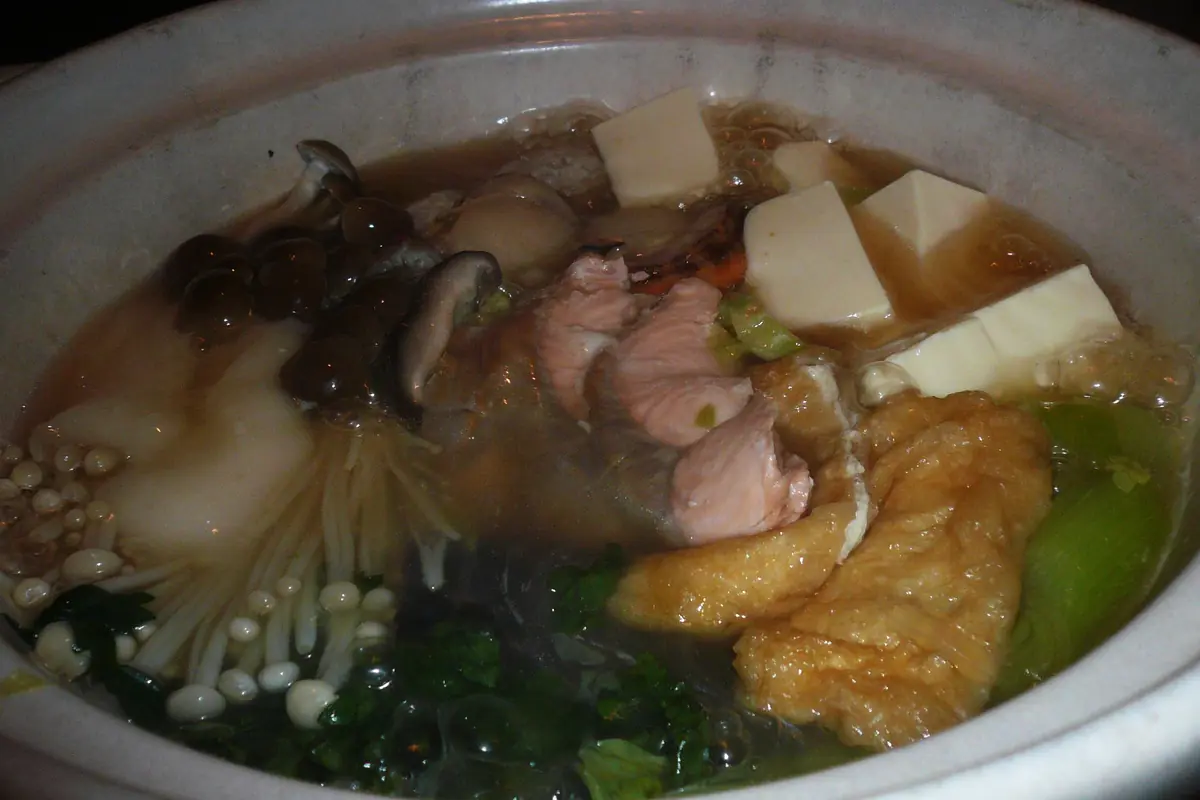
Chankonabe is the hot pot wrestlers eat in training. Wikipedia says it has no fixed recipe and is built on large quantities of protein such as chicken, fish or tofu, with vegetables. The booking page lists an all-you-can-eat chicken chanko hot pot, with bottled water, as part of the VIP option and only at certain shows. The calendar names those shows and options, so read the option before you pay. Options without the VIP label do not list the meal. Alcohol and soft drinks are paid for on site, and vegetarian food can be requested.
Read next: Chanko hot pot at a sumo show
Retired wrestlers and the top division
The organiser says the show is run by a former wrestler of the Makuuchi division, the top of professional sumo's six divisions. Wikipedia says the division has room for at most 42 wrestlers, and that only about one wrestler in a hundred reaches it. That makes a former top-division wrestler a rare figure, though this guide cannot confirm anyone's career and does not name the performers. The guide to the top division explains the ranks and what the word means.
Read next: Makuuchi explained for visitors
What visitors like, and the usual complaint
The booking page rates the show 4.8 from more than 3,700 reviews. Reviewers say being inside a former stable is the point, that the staff are warm and funny, and that volunteers who wrestle earn the biggest laughs. Many are pleasantly surprised by the hot pot, and several mention how well the wrestlers get on with each other. The usual complaint is that the introduction runs long, and some visitors would like more time on the bouts. If you want mostly bouts, read the section on who this is not for before you book.
Without the meal, or with it
Choose the show alone if the performance is the point and you plan to eat elsewhere. Choose the VIP option if the hot pot matters to you, on a date the calendar shows with the meal. The booking page lists the hot pot and bottled water as the extras with the VIP option, and the calendar shows what else each option includes. Because the meal belongs to certain shows only, you cannot assume it on every date. Drinks are extra either way. For a comparison with the sumo dinner in Ryogoku, read the guide on Kiyosumi against Ryogoku.
Read next: Kiyosumi stable or Ryogoku dinner?
Who this isn't for
A ranked tournament bout is not on offer, because this is a show by retired wrestlers. Nor can you watch active wrestlers train, which is a different visit. The meal is another trap: expect it at every show, or a long seated dinner, and you will be disappointed, because the hot pot is tied to the VIP option at certain shows. Visitors who find long explanations tiring may want more bouts than this show gives. Drinks and transport to the venue are paid for separately.
Read next: Morning practice or a sumo show?
Who will enjoy it, and how to book
It suits first-time visitors to Tokyo who want sumo close up without tournament tickets, groups who are happy to laugh while a volunteer takes on a wrestler, and travellers who like to eat a stable's signature dish. Open the calendar, choose a date and an option, and check whether the option names the hot pot. Free cancellation applies up to 24 hours before on the GetYourGuide booking. Then plan your own route to Kiyosumi, because transport is not included. The booking page recommends booking ahead, so choose the date early.
Frequently asked questions
Is a Tokyo sumo dinner show worth it?
Yes for visitors who want sumo up close and accept a staged show. Retired wrestlers perform in a former stable with an English-speaking MC. Skip it if you want a ranked tournament bout or expect the hot pot at every show.
What is a sumo stable?
A heya is a sumo stable, the house where professional wrestlers live, eat and train under one master. Wikipedia compares the members to a group sharing one household. This show is held in a former stable.
Does every show include the chanko hot pot?
No. The all-you-can-eat chicken chanko hot pot and bottled water come with the VIP option, and only at certain shows. Check the option name and date on the calendar before you pay.
Are drinks included?
No. Alcohol and soft drinks are paid for on site, whichever option you choose. Vegetarian food can be requested when you book.
Can I join in on the ring?
The organiser says guests may step onto the dohyo, try training techniques and challenge a match. Taking part is optional, so you can also watch from your seat.
Is it a ranked competition?
No. It is a show by retired wrestlers. The Japan Sumo Association holds three of its six yearly tournaments at the Kokugikan in Ryogoku, in January, May and September.
Sources